
Getting sober and rebuilding a life are two different projects. People talk about them like they're the same thing, but they really are not. Someone can complete detox and residential rehab and still walk out without a job, without stable routines, and without a clue on how to manage daily life without substances. That gap, you know, is where a lot of recoveries quietly fall apart.
Real rehabilitation has to address both sides. The medical part matters, yes, but so does the practical rebuilding that comes after it. That is kind of the whole point of finding a reliable rehab treatment in Brooklyn that actually sticks with you past the clinical stuff.
Why Sobriety Alone Is Not the Same as a Rebuilt Life
Substance use often takes over far more than physical health. Relationships fracture, employment becomes unstable, financial habits deteriorate, and basic routines like sleep schedules and meal planning fall apart.
By the time someone enters residential treatment, they are often not just managing withdrawal, they are also facing the reality that large parts of their daily life need to be reconstructed from close to nothing.
This is why rehab programs that focus only on stopping substance use, without addressing what comes next, tend to see people relapse once they return to an unchanged environment. Rebuilding requires more than willpower. It requires structured practice of the specific skills that were lost or never developed during years of active addiction.
Structured Days Give People a Framework They Can Actually Use
One of the most underrated parts of residential treatment is the structure of the day itself. Having a routine to follow when your own internal structure has been unreliable for years makes a real difference. It is not about rigid control. It is about giving people a functional template they can carry into life outside the facility. A typical structured day may include:
- Regular wake times
- Scheduled meals
- Therapy sessions
- Group activities
For many patients, this is the first time in years they have had a predictable daily rhythm. And that matters because recovery success stories often start right here, with someone proving to themselves that a structured, manageable life is possible before they have to build one entirely on their own after discharge.
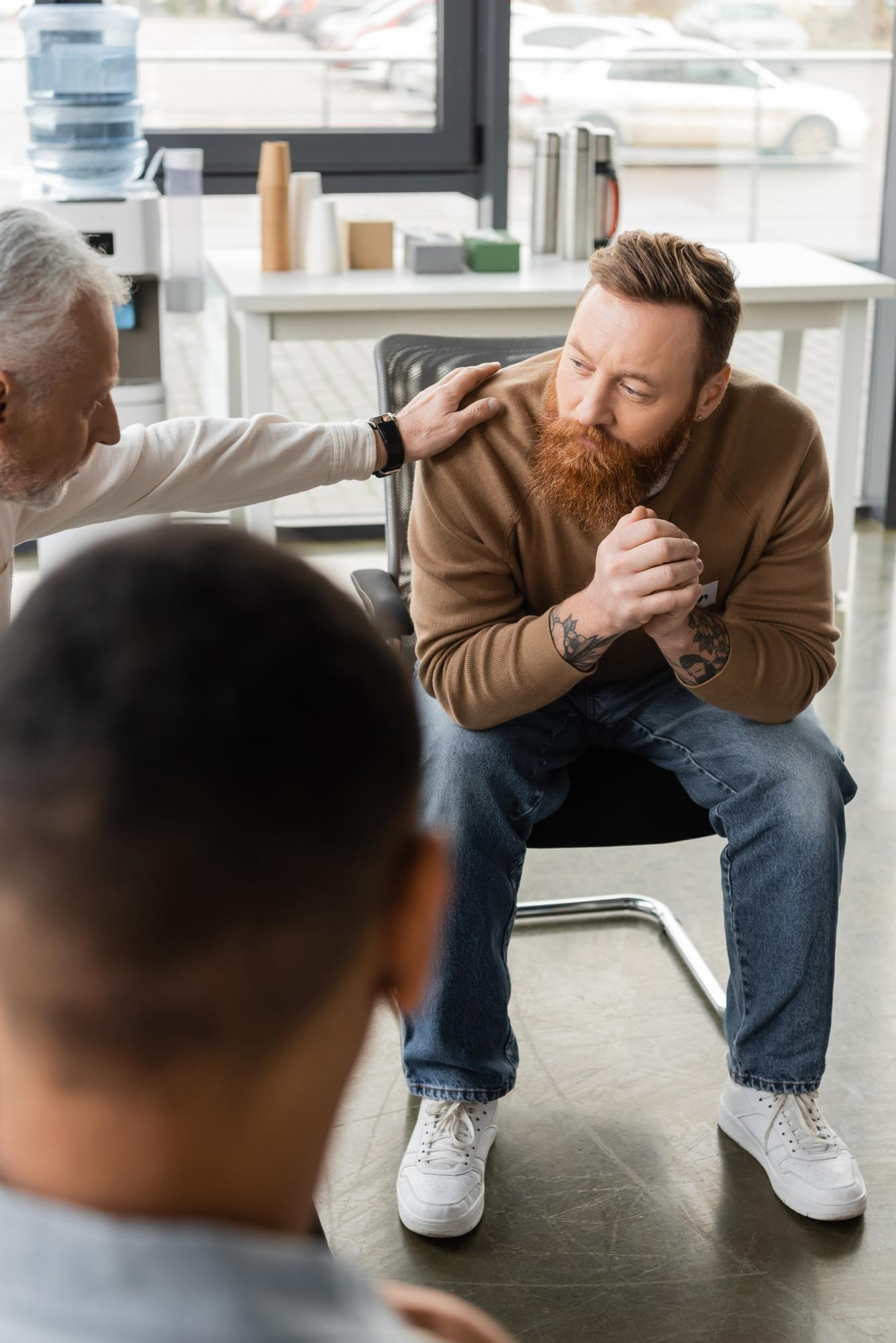
Life Skills Training Fills Gaps That Therapy Alone Does Not Address
Counseling addresses the psychological and emotional side of addiction, but it does not automatically teach someone how to manage a budget, apply for a job after a gap in employment, or handle conflict without turning to substances.
Life skills training exists to fill that gap, covering practical areas that directly affect whether someone can sustain recovery once they return to daily life. This kind of training tends to work best when it happens alongside clinical care, not as an afterthought at the very end of treatment.
Program Director Vincent Marchese, who holds an MSW from Fordham University along with an Advanced CASAC credential, oversees programming that integrates these practical skills throughout residential treatment rather than compressing them into a single session before discharge.
Family Relationships Often Need Deliberate Rebuilding Too
Trust between a patient and their family is frequently one of the most damaged parts of their life by the time treatment starts. Family counseling gives both sides a structured way to address what happened, rebuild communication, and set realistic expectations for what support will look like going forward.
This matters for rebuilding a life because family relationships are often the support system someone relies on most heavily after discharge.
Rebuilding trust is rarely instant, and family sessions during treatment are designed to make gradual, guided progress rather than force a resolution before someone is ready. A family that has worked through some of these issues during treatment is in a much better position to be a stabilizing presence afterward rather than a source of ongoing conflict.
Discharge Planning Turns Progress Into a Sustainable Plan
Everything built during residential treatment, the routines, the skills, the repaired relationships, needs somewhere to go once treatment ends. Discharge planning that begins on day one is what turns progress made inside the facility into an actual plan for life outside it. This can include:
- Continued medication-assisted treatment
- Counseling referrals
- Relapse prevention strategies
- Connections to ongoing community support
Without this kind of planning, even a strong period of residential treatment can quickly lose momentum once someone returns to their normal environment. A concrete discharge plan, built with input from the same clinical team that provided care throughout treatment, gives someone a specific next step rather than a vague sense that they should try to stay sober on their own.
What Rebuilding Actually Looks Like Over Time
Rebuilding a life after addiction is not a single event that happens at discharge. It is a gradual process that starts in residential treatment and continues well beyond it, supported by the habits, skills, and relationships rebuilt during that time.
Executive Director Ami Mitteldorf, who brings more than 25 years of experience in addiction treatment, has seen this play out repeatedly: the patients who do best are the ones whose treatment addressed the practical rebuilding alongside the clinical care.
The work does not end when someone walks out the door. What changes is the level of support around them, from full-time residential structure to the ongoing relationships, coaching, and community connections built into a solid discharge plan.
Related Topics: