Counseling helps someone understand why they turned to substances and how to manage the emotional side of recovery. But understanding is not the same as being able to function day to day. Those two things are, in a way, very different.
Life skills training exists because a lot of what makes recovery sustainable has nothing to do with insight. It is about practical ability.
Things like managing money, keeping a schedule, or handling conflict without reaching for a drink or a drug. That is where quality rehab treatment makes a real difference, giving people the tools to actually live the recovery they are working so hard to build.
Why Insight Alone Does Not Sustain Recovery
It is possible to fully understand the roots of an addiction and still relapse within months of leaving treatment, because understanding does not automatically translate into the day-to-day skills needed to manage a stable life. Someone who has spent years in active addiction has often missed out on developing routines around:
- Budgeting
- Job searching
- Time management
- Basic self care
Life skills training treats these gaps as something to address actively rather than assuming they'll resolve on their own once someone is sober. It is a deliberate part of treatment, not a bonus activity tacked onto the end of a program.
What Life Skills Training Actually Covers
The specific focus varies by patient, but common areas include:
- Practical money management
- Building or rebuilding a resume
- Preparing for job interviews after a gap in employment
- Organizing a daily schedule that supports recovery instead of leaving too much unstructured time
- Interpersonal skills, like handling disagreement or stress without defaulting to old coping mechanisms
This training happens alongside clinical care, not replacing it. Program Director Vincent Marchese, who holds an MSW from Fordham University and an Advanced CASAC credential, oversees how these practical skills are woven into the broader treatment program so patients are practicing them in real time rather than hearing about them in the abstract during a single session near discharge.

Why Structure During Treatment Doubles as Skills Practice
Residential treatment itself functions as ongoing life-skills practice, even outside formal training sessions. Regular wake times, scheduled meals, and structured programming require patients to manage a routine, often for the first time in years.
That daily structure is not just about discipline. It gives people repeated, low-stakes practice in the kind of self-management recovery outside the facility will require something that matters even more in a short-term rehab stay, where the window to build these habits is shorter.
By the time someone reaches discharge, they have had weeks of practice functioning within a structured routine, which makes the transition to managing their schedule afterward less of an abrupt jump and more of a continuation of something they have already been doing.
Recreation and Group Activities Build Social Skills Too
Life skills are not only practical tasks like budgeting or job applications. Social skills, including how to build healthy relationships and spend time with others without substance use as the center of the interaction, matter just as much.
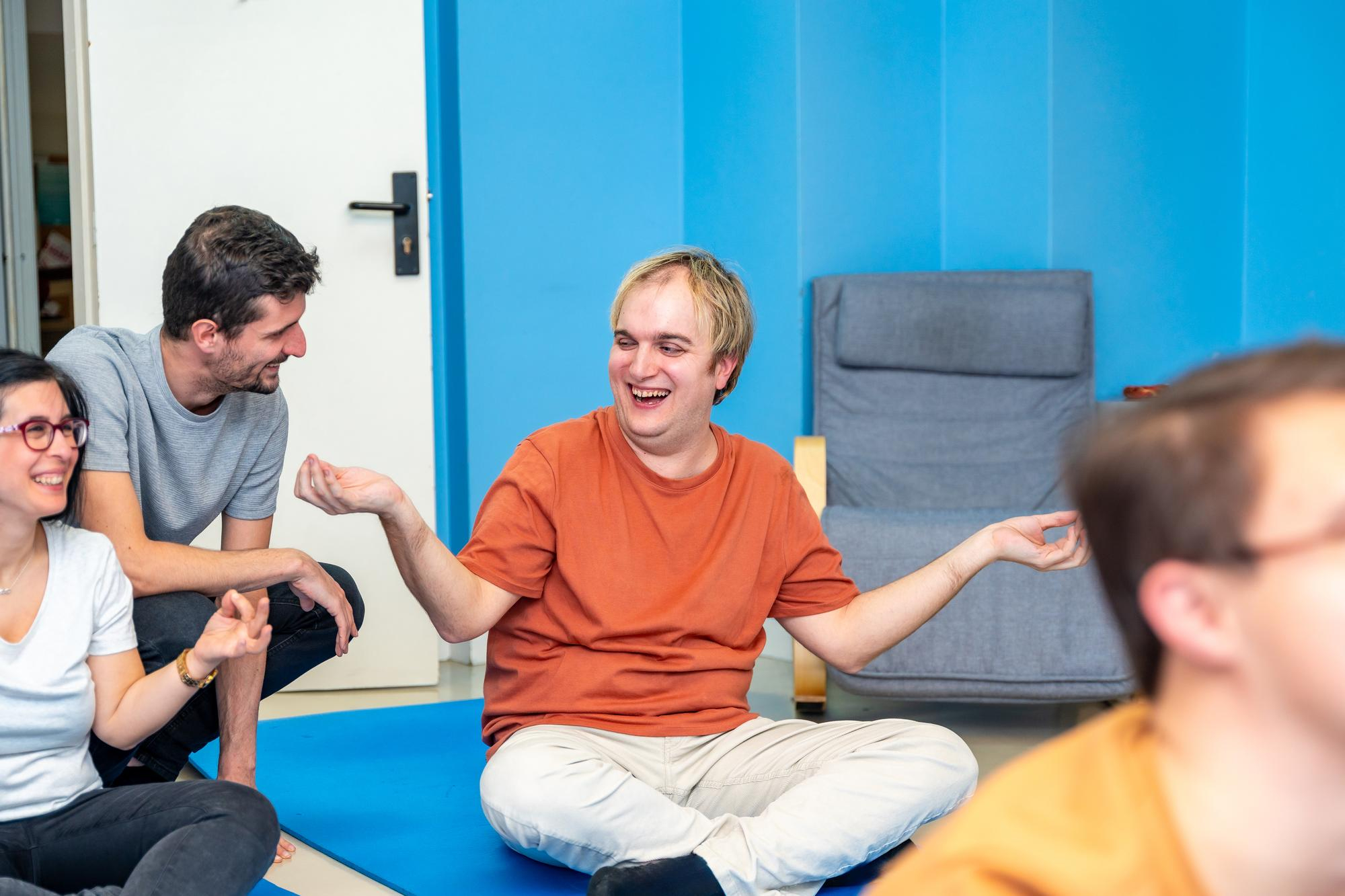
Group activities and recreation programming, led by Creative Director of Recreation and Clinical Training Sylvia Foldes-Berman and Recreation Coordinator Rita Menhennett, give patients structured opportunities to practice these skills in a supportive setting.
For many patients, socializing without alcohol or drugs is an entirely new experience. Practicing it during treatment, with support available if things feel awkward or difficult, makes it far less intimidating once someone has to handle social situations on their own after discharge.
How Life Skills Training Connects to Relapse Prevention
Relapse prevention gets talked about a lot in terms of spotting and dodging relapse triggers, but that is only part of the picture. What is a missing piece that does not get enough attention? Practical life skills. Someone who cannot manage a budget, for example, can easily find themselves buried in financial stress, and that stress becomes its trigger.
The same goes for conflict. If someone never learned how to handle a tense conversation calmly, the first big argument at work or at home can send them straight back to old habits. That is just, you know, how it goes when coping tools are not there.
Life skills training adds a layer of protection that works alongside counseling and recovery coaching. It is not a separate thing sitting off to the side. It just quietly reduces the number of moments where someone feels stuck with no clear option in front of them.
Carrying Life Skills Forward After Discharge
The goal of life skills training is not to complete a checklist before leaving residential treatment. It is to give someone enough practice that these skills continue functioning after discharge, when the structure and support of the facility are no longer there day to day.
Discharge planning, which begins on day one, builds on this foundation by identifying what ongoing support someone might still need, whether that is:
- Continued counseling
- Recovery coaching
- Connection to community resources
Life skills training works best as part of a full continuum, not a standalone fix. Combined with clinical counseling, family involvement, and structured discharge planning, it gives patients a realistic shot at managing daily life without the substances that once organized so much of it.
Families asking about a program can get a useful sense of its quality just by asking how life skills are taught, not only whether they are offered. A checklist handed out once near discharge differs greatly from skills practiced repeatedly throughout residential treatment, with guidance from staff who know the patient's specific situation.
That difference often shows up later, in whether someone can apply what they learned once they are back in daily life without the facility's structure.
Related Topics: