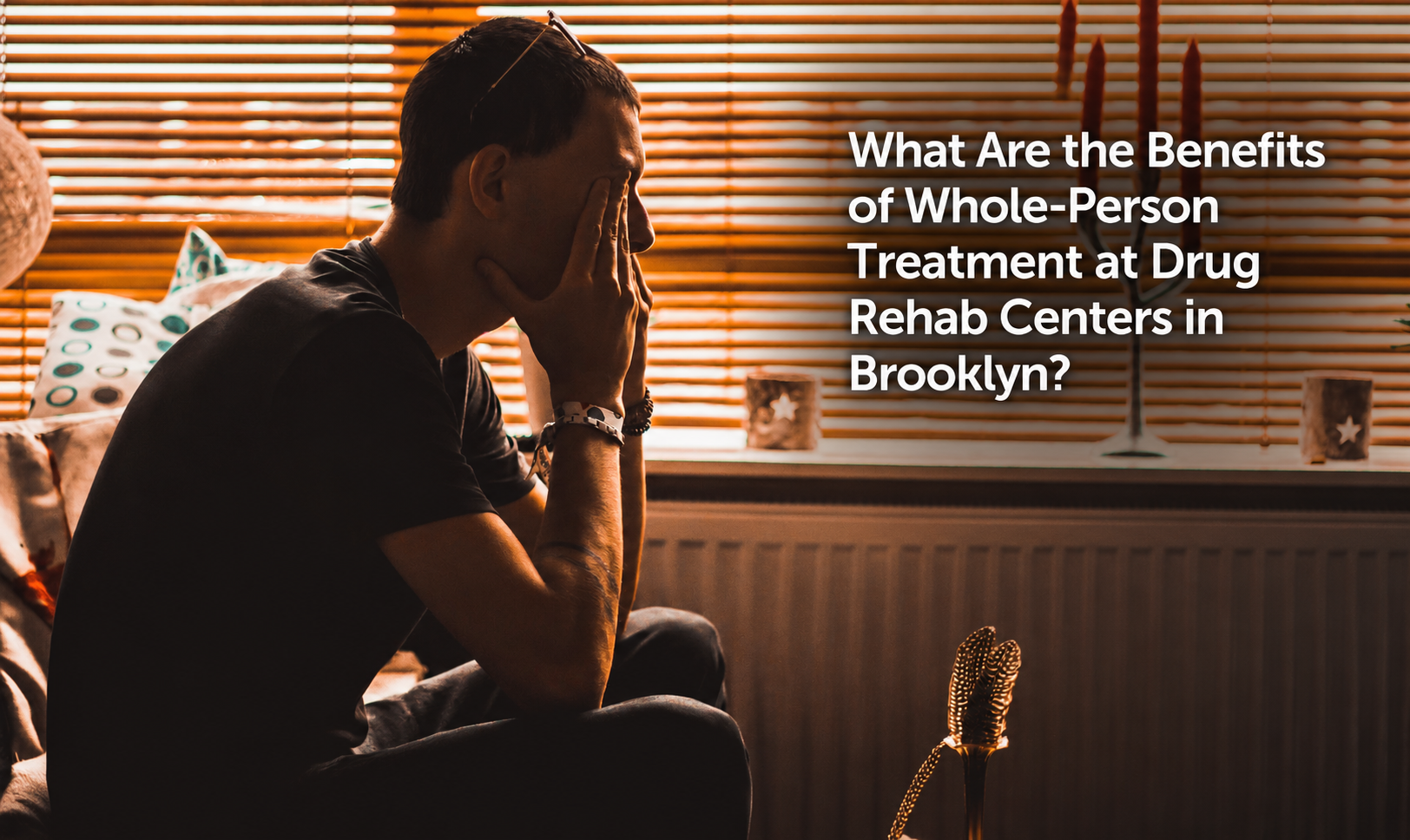
Addiction tends to touch almost every part of a person’s life. It can affect their health, mood, relationships, routines, and the way they handle stress. Treating only the physical dependence may help with withdrawal, but it often leaves the reasons behind the substance use unaddressed.
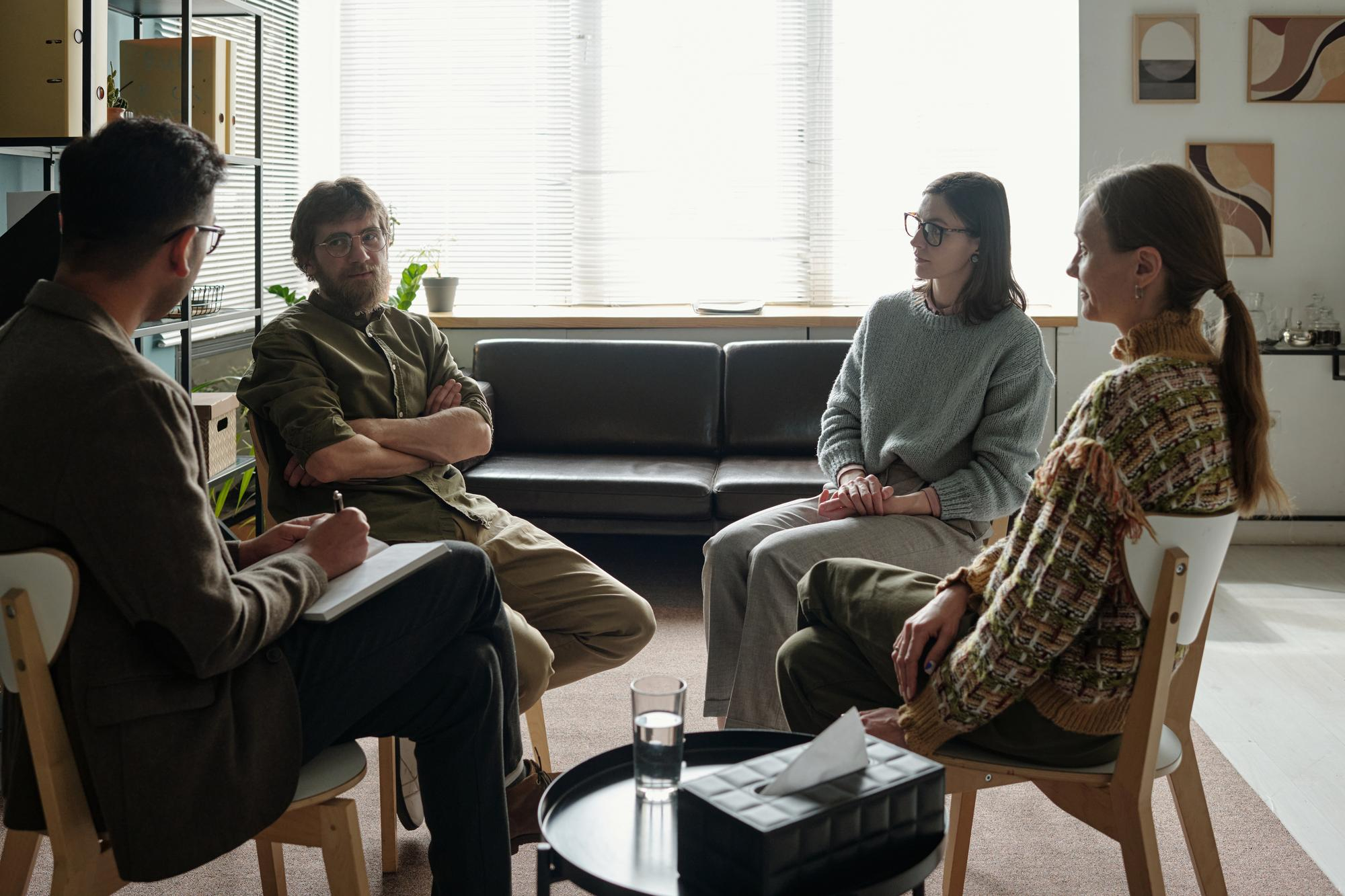
At a reputable rehab center in Brooklyn, whole-person treatment looks at the full picture. Care may include medical support, therapy, mental health treatment, psychiatric evaluation, creative therapies, and a plan built around the person’s needs. That kind of support can make recovery feel more realistic because it helps people work on daily life, not just the substance use itself.
What Whole-Person Treatment Actually Means in Practice
The phrase "whole-person" can sound like general language, but in a clinical context, it has a specific meaning. It means that a patient's physical dependence, mental health status, emotional history, and personal circumstances are all assessed and addressed as part of the same treatment plan, by the same clinical team, at the same facility.
At Surfpoint Recovery, this approach begins at intake. Our team conducts a comprehensive assessment covering substance use history, medical background, mental health symptoms, trauma history, and individual recovery goals. That information shapes a treatment plan that is specific to the person in front of us, not a standard protocol applied across the board.
Treating Physical Dependence and Mental Health at the Same Time
One of the most significant benefits of whole-person treatment is that it closes the gap between physical stabilization and psychological recovery. Many programs treat detox as the endpoint. We treat it as the beginning.
After medically supervised detox, patients move directly into our residential rehabilitation program without leaving the facility or going through a new intake process. Every patient in our rehab program receives a psychiatric evaluation within 24 hours of admission. Co-occurring mental health conditions, including depression, anxiety, PTSD, and others, are treated as part of the same integrated plan, not referred elsewhere or addressed as an afterthought.
The Role of Psychiatric Care in Recovery
Untreated mental health conditions are one of the most consistent predictors of relapse after addiction treatment. Someone who achieves sobriety but returns to daily life where untreated depression or anxiety is still shaping their behavior faces the same pressures that drove substance use in the first place.
Our Medical Director, Dr. Ramsey Joudeh, and our clinical team work together to ensure that psychiatric care is woven into each patient's treatment plan from the start. This is not a separate referral process. It is part of the same program, managed by the same team, at the same facility.
Creative and Recreational Therapy as Part of Treatment
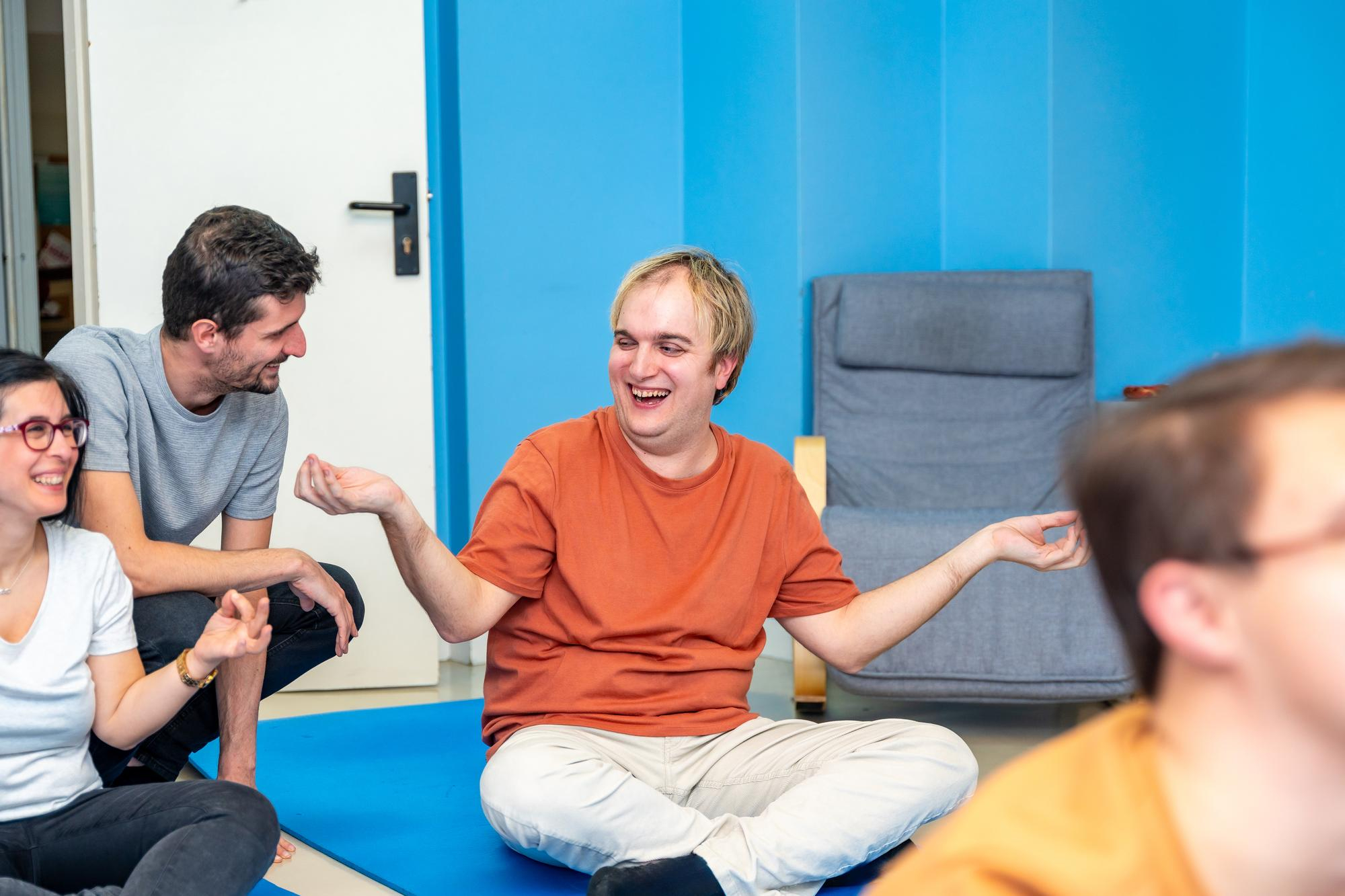
Whole-person treatment also recognizes that recovery is not only talk therapy. Some patients engage most readily through creative expression, music, or structured recreational activity rather than exclusively through clinical sessions. These modalities are clinically grounded components of our program, not optional add-ons.
Sylvia Foldes-Berman, our Licensed Creative Arts Therapist and Board-Certified Music Therapist, leads our creative and recreational programming. Her work is evidence-based, and for many patients it opens pathways that individual and group therapy alone do not reach. To learn more about the staff who lead our program, visit our clinical team page.
Individualized Plans That Reflect Each Patient
A whole-person approach is only meaningful if it actually reflects the individual. Vincent Marchese, our Program Director with a Master of Social Work from Fordham University, works from a person-centered and healing-centered framework. That means the patient's own goals, history, and circumstances shape the plan rather than the plan being imposed on the patient.
Treatment plans at our facility are built from the intake assessment and adjusted throughout the stay based on progress and emerging needs. No two patients follow the same path through our program.
Why This Approach Leads to Better Outcomes
The clinical evidence for integrated, whole-person treatment is consistent. Patients whose mental health conditions are treated alongside substance use disorder have stronger recovery outcomes than those who receive only addiction-focused care. Patients treated with individualized plans, as opposed to standardized protocols, show more durable results.
Whole-person treatment is not about offering more services. It is about recognizing that addiction has multiple layers and that addressing those layers together produces more lasting recovery. To learn more about our treatment programs and how we put this into practice, visit our treatments page.
Frequently Asked Questions
What does "whole-person treatment" mean in drug rehab? Whole-person treatment means addressing physical dependence, mental health, emotional history, and personal circumstances as part of one coordinated plan. It is the alternative to programs that treat only detox or only behavioral issues in isolation.
Does whole-person treatment include psychiatric care? Yes. Every patient entering our residential rehabilitation program receives a psychiatric evaluation within 24 hours of admission. Mental health conditions are treated as part of the same integrated plan, not handled separately or referred to an outside provider.
Is medication-assisted treatment part of whole-person care? Yes, when clinically appropriate. MAT, including Suboxone, Buprenorphine, Vivitrol, and Sublicaid, is one component of a broader plan that also includes counseling, psychiatric care, and structured therapeutic programming.
How is creative therapy different from group therapy? Group therapy is a structured clinical session facilitated by a licensed clinician. Creative therapy uses expressive modalities, including music and arts-based programming, to help patients process experiences and build recovery tools in a different way. Both are part of our program and serve distinct clinical purposes.
Contact Us
At Surfpoint Recovery, we're here to support you on your journey to recovery. Whether you're ready to begin the admission process or have questions about our services, our team is available to assist you.
Phone Number: (347) 727-4800
Email for Paperwork: paperwork@recoverywithheart.com
Facility Address: 2316 Surf Ave, Entrance on West 24th Street, Brooklyn, NY 11224
Operating Hours: Monday to Sunday - Open 24 hours
Online Contact Form: Prefer to reach out online? Please fill out our contact form, and a member of our team will get back to you promptly.
Related Topics: