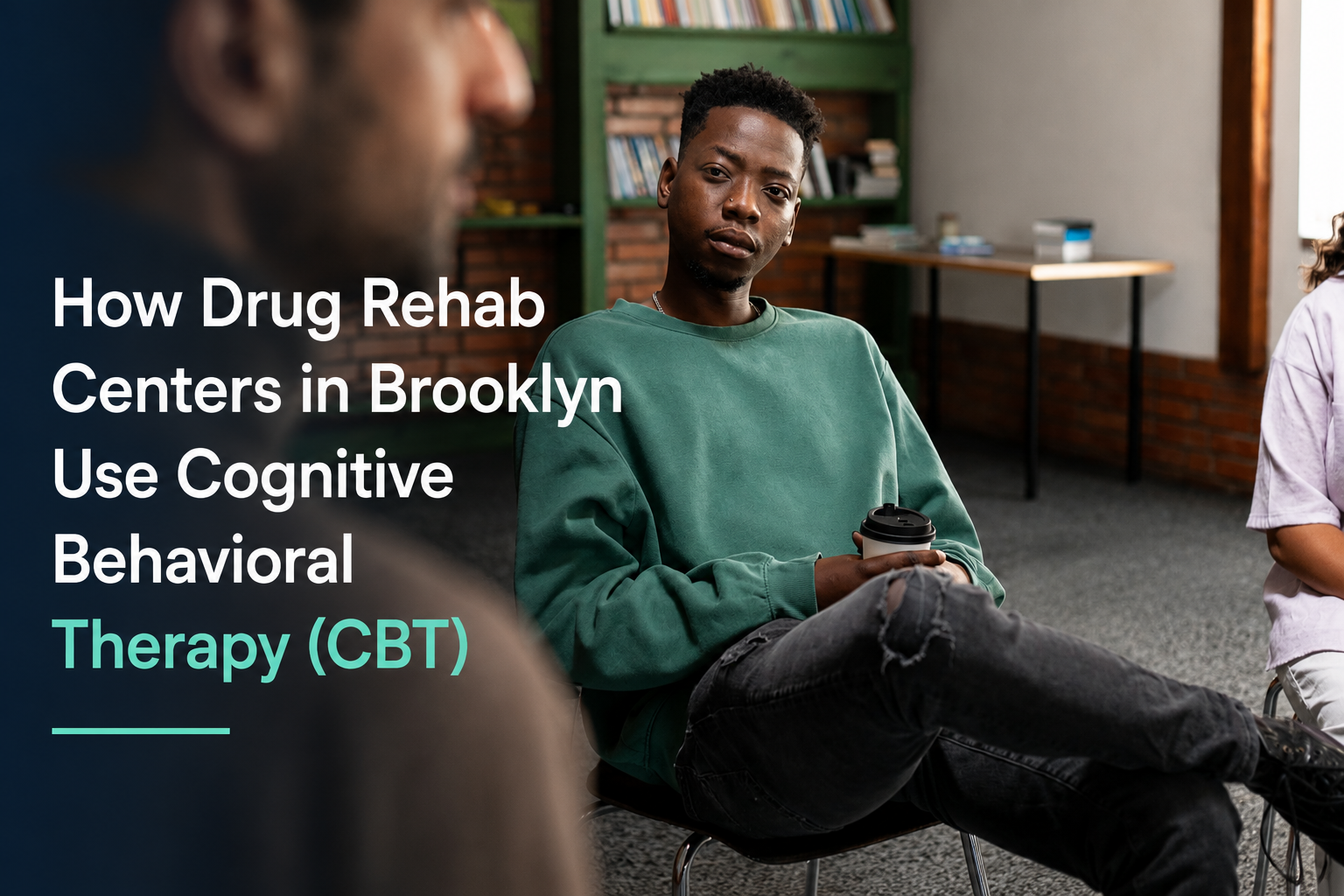
Cognitive Behavioral Therapy, or CBT, is widely used in addiction treatment because it gives people practical tools they can use outside of sessions. It is not just talking through emotions with a therapist. CBT helps people notice the thoughts, patterns, and reactions that can lead to substance use, then practice different ways to respond.
At a professional rehab center in Brooklyn, CBT may be part of individual counseling, group therapy, and relapse prevention work. A person might learn how to recognize triggers, question harmful thinking, and plan for situations that could put recovery at risk. The goal is to leave treatment with skills that feel usable in real life, not just ideas that sound good in a therapy room.
What CBT Is and Why It Matters in Addiction Treatment
Cognitive Behavioral Therapy is a structured, evidence-based form of psychotherapy originally developed to treat depression and anxiety. Its application to substance use disorder has been extensively studied, and the evidence is consistent: CBT reduces relapse rates, builds coping skills, and addresses the psychological foundations of addictive behavior.
CBT is not an open-ended conversation. Sessions are goal-directed and skill-focused. Patients learn to identify automatic negative thoughts, recognize high-risk situations, and build alternative responses to their specific triggers. These tools function both during treatment and in daily life after discharge.
How CBT Addresses the Patterns Behind Substance Use
Substance use rarely happens in isolation from thought and emotion. Most people who use substances heavily are, at some level, using them to manage something: anxiety, trauma, chronic stress, emotional dysregulation, or avoidance of painful experiences. CBT helps patients identify the specific patterns at work in their own behavior.
A patient might discover through structured CBT work that their heaviest use consistently follows specific types of stress, occurs in particular environments, or is preceded by recognizable thought patterns. That self-awareness, built systematically over the course of treatment, becomes the foundation for developing real alternatives to using.
CBT in the Context of Inpatient Rehab
In an inpatient setting, CBT has particular advantages. Patients are in a structured environment, away from the people, places, and situations that typically trigger use. That distance creates space to do the cognitive and behavioral work that is harder to accomplish while still inside the circumstances that drove the problem.
In our residential rehabilitation program, CBT is integrated into individual counseling and informs the clinical approach throughout. Individual sessions with our licensed clinicians include structured cognitive work tailored to each patient's history, triggers, and goals. Our program also combines CBT with motivational interviewing, since the two approaches complement each other well in building a patient's readiness and capacity for change.
CBT and Co-Occurring Mental Health Conditions
CBT was originally developed to treat depression and anxiety, which gives it direct clinical relevance for patients who arrive with both a substance use disorder and an underlying mental health condition. We treat co-occurring conditions from the start, and every patient entering our rehab program receives a psychiatric evaluation within 24 hours of admission.
For patients managing depression, anxiety, PTSD, or other conditions alongside substance use disorder, CBT addresses both the mental health condition and the addictive behavior in one framework. It targets the cognitive distortions and avoidance patterns that fuel both problems simultaneously, which is more effective than treating either condition separately.
How CBT Fits Within a Broader Treatment Plan
CBT is one component of a treatment plan, not the whole plan. At our facility, individual counseling that incorporates CBT exists alongside group therapy, psychiatric care, medication management when clinically appropriate, creative therapy, and structured relapse prevention programming.
Vincent Marchese, our Program Director with a Master of Social Work from Fordham University, works from a person-centered framework. CBT is applied in a way that reflects each patient's specific circumstances rather than as a rigid protocol. How it is used in any given patient's care depends on what their clinical picture actually requires.
What to Expect From CBT During Your Stay
Patients entering inpatient treatment do not need prior knowledge of CBT or any psychological background. The work begins with a thorough intake assessment. From there, individual counseling introduces the core concepts in plain, practical terms.
Over the course of treatment, patients develop clearer self-awareness about their own patterns, build concrete coping strategies, and practice responding differently to the situations and emotions that have historically led to use. Discharge planning at our facility begins on day one, and CBT-based relapse prevention strategies become part of the aftercare plan.
Frequently Asked Questions
What is CBT, and why is it used in drug rehab? Cognitive Behavioral Therapy is a structured, evidence-based approach that helps patients identify and change the thought patterns and behaviors that drive substance use. It is used in addiction treatment because it builds practical, transferable skills that support long-term recovery.
Is CBT only done in one-on-one therapy sessions? No. While CBT is a core part of individual counseling, its principles also inform group therapy, relapse prevention programming, and skills-based work throughout the program. Patients encounter CBT concepts in multiple contexts across their stay, not only in individual sessions.
Does CBT help with mental health conditions as well as addiction? Yes. CBT was originally developed to treat depression and anxiety, and it is effective for co-occurring mental health conditions alongside substance use disorder. At our facility, co-occurring conditions are treated as part of the same integrated plan, and CBT is a tool that addresses both.
How long does it take for CBT to make a difference? CBT builds skills over time. An inpatient stay of 21 to 28 days provides a strong foundation. The skills are then carried forward into aftercare and continued in outpatient programming following discharge.
Do I need any background in psychology to benefit from CBT? No. The clinical team meets each patient where they are. Everything is explained in accessible terms, and prior therapy experience is not required for CBT to be effective.
Contact Us
At Surfpoint Recovery, we're here to support you on your journey to recovery. Whether you're ready to begin the admission process or have questions about our services, our team is available to assist you.
Phone Number: (347) 727-4800
Email for Paperwork: paperwork@recoverywithheart.com
Facility Address: 2316 Surf Ave, Entrance on West 24th Street, Brooklyn, NY 11224
Operating Hours: Monday to Sunday - Open 24 hours
Online Contact Form: Prefer to reach out online? Please fill out our contact form, and a member of our team will get back to you promptly.
Related Topics: