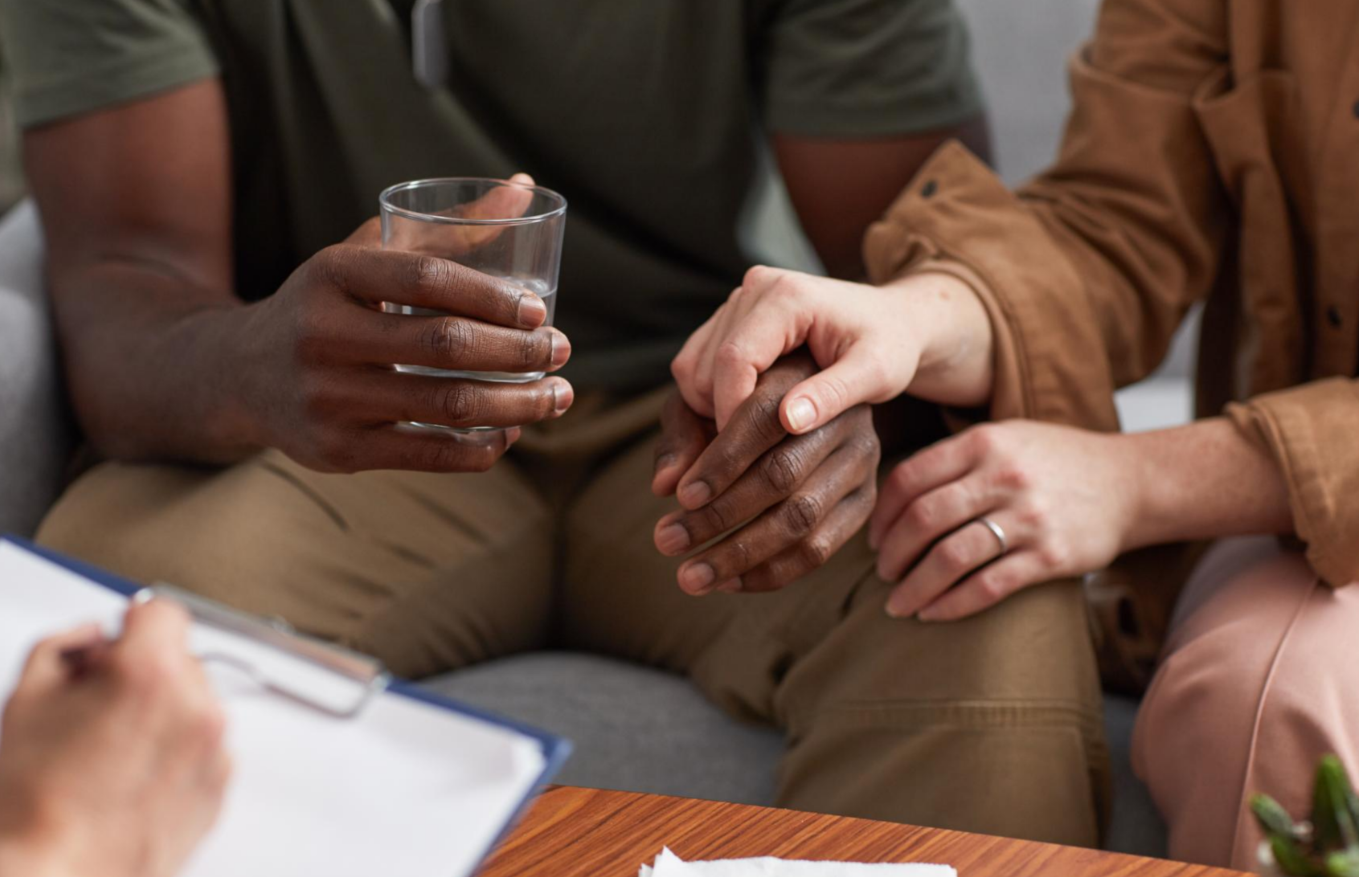
Mindfulness gets thrown around enough that it starts to sound vague, maybe even a bit trendy. Which is a shame, really, because the actual techniques behind it, noticing a craving without acting on it right away, slowing down a reactive thought, and staying present instead of spiraling into worry, have real clinical value in addiction treatment. It is not some add-on. It is more like a set of tools quietly woven into the therapeutic work that already happens at a reliable rehab center.
What Mindfulness Actually Means in a Clinical Setting
At its core, mindfulness in addiction treatment is about building a pause between an urge and a reaction. Cravings do not disappear just because someone enters treatment, but the ability to notice a craving, name it, and let it pass without acting on it is a skill that can be taught and practiced.
This is different from simply telling someone to relax. It is a specific technique used within trauma-informed and cognitive behavioral approaches.
How It Connects to Trauma Informed Care
Trauma and substance use are linked more often than not. Mindfulness techniques get folded into trauma-informed care because they help someone stay grounded when a memory or trigger surfaces out of nowhere. That moment of noticing, just pausing and checking in with your body, can make a real difference before things spiral.
Rather than getting overwhelmed, a person learns to pay attention to what is happening inside them and bring focus back to the present. It sounds simple. It is a bit harder in practice, but that is kind of the point. You build that skill slowly, over time.
When you choose the best drug rehab center for your needs, you want one where trauma-informed care is not just a checkbox. Our clinical team weaves these methods throughout residential treatment, and mindfulness-based grounding techniques are one part of that broader, more connected approach.

Where It Shows Up in Group and Individual Sessions
These techniques often surface in ordinary counseling moments rather than as a standalone class. A counselor might walk a group through a brief grounding exercise before a difficult conversation, or an individual session might include a few minutes of breathing-focused attention before digging into harder material.
The goal is always practical, giving someone a tool they can actually use later, not a relaxation exercise disconnected from the rest of treatment.
A Skill for After Discharge, Not Just During Treatment
The real test of any technique learned in rehab is whether it survives contact with ordinary life afterward. Mindfulness-based grounding tends to hold up well here because it does not require a special setting, just a few minutes and a willingness to practice.
It pairs naturally with the relapse prevention and life skills work built into discharge planning, which at our facility begins on day one rather than being rushed together near the end of a stay.
How This Fits Into Broader Treatment
Mindfulness techniques work best as part of a complete approach, not as a replacement for medical care or structured therapy. For someone who also needs medically supervised detox, medication-assisted treatment, or residential rehabilitation, these grounding skills sit alongside that clinical work rather than instead of it.
You can read more about our treatment programs and how individual, group, and family counseling come together during a stay, or view all areas we serve if you are researching options across Brooklyn.
Related Topics: