
An Intensive Outpatient Program, usually shortened to IOP, sits between standard outpatient counseling and full residential care. It asks for more time and more commitment than weekly outpatient sessions, but it still lets someone live at home and keep working or attending school. That flexibility matters a lot for people who have responsibilities they cannot just pause.
Understanding how IOP actually works helps clarify whether it is the right fit. Or whether a more structured level of care would serve someone better. As a trusted rehab facility in Brooklyn, we at Surfpoint Recovery can walk you through what that looks like and help you figure out which direction makes the most sense for your situation.
The Basic Structure of an IOP Schedule
Most IOP schedules involve several hours of treatment multiple days a week. Often in the evening, so participants can keep daytime commitments. Sessions typically bring together group therapy, individual check-ins, and some education around relapse prevention. It is a bit more structured than people expect at first.
The time commitment is real. Usually nine or more hours a week, sometimes a little more depending on where you are in recovery. That is kind of the point, you know.
Understanding the benefits of inpatient vs. outpatient rehab helps clarify why IOP tends to work best for people who are already reasonably stable, rather than someone in the early, most volatile days after stopping substance use.
Who Tends to Do Well With IOP
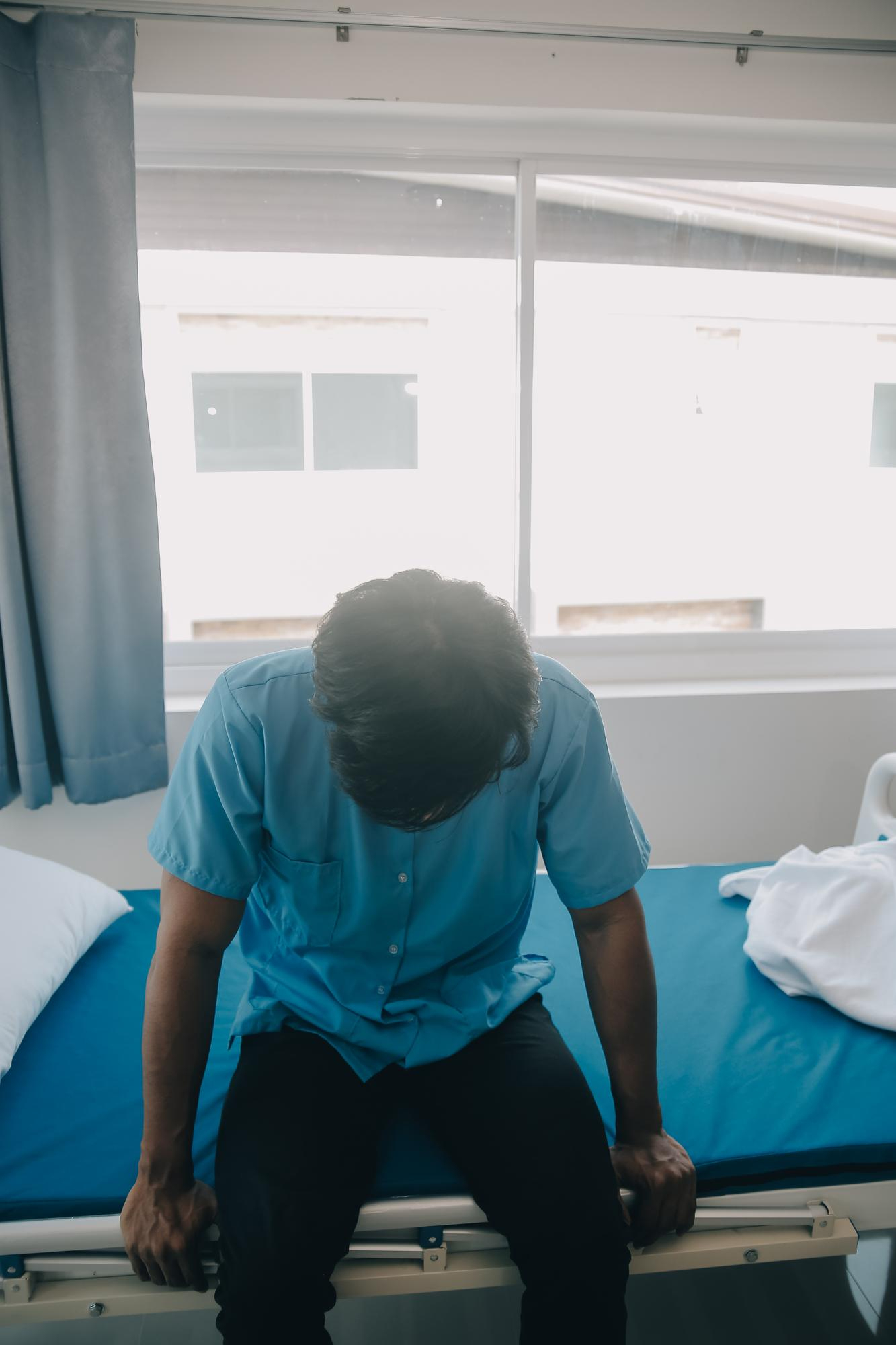
IOP generally works best for someone who has already completed detox if it was needed, has a stable and supportive home environment, and does not have significant co-occurring conditions requiring closer supervision. It also tends to suit people stepping down from a higher level of care. Think of it as a bridge between residential treatment and full independence, not a first stop.
Where IOP Falls Short
IOP depends on the person's environment holding steady between sessions, and that is not always realistic. Someone still experiencing withdrawal, living in a home with active substance use around them, or dealing with a co-occurring mental health condition that needs closer monitoring often needs more support than a few evening sessions a week can provide.
This is not a failure of IOP as a model. It is simply a mismatch between the level of care and the level of need.
When a Higher Level of Care Makes More Sense
For situations where withdrawal risk is present, home is not a stable environment, or previous attempts at outpatient-level care have not held, medically supervised detox followed by short-term residential rehabilitation offers a different kind of support.
Our facility provides that level of care directly, with nursing staff on site around the clock, a psychiatric evaluation within 24 hours of rehab admission, and residential rehabilitation that runs an average of 21 to 28 days. For someone who needs distance from daily triggers along with medical supervision, this structure fills a gap that IOP is not designed to fill.
Making an Honest Assessment
The most useful thing anyone can do before choosing between IOP and a more structured setting is get an honest clinical evaluation rather than guessing. Our team can walk through a person's specific situation and help determine which level of care actually fits, whether that means IOP resources elsewhere or our treatment programs if residential structure and medical supervision are what the situation calls for.
Related Topics: