Finishing residential rehab is a real milestone. But it is not the finish line. What happens in the weeks and months after often depends on whether someone has people around them who understand what they are going through, and Brooklyn has a dense, active recovery community that most people don't even know exists until they need it.
Community support is not just a nice addition to treatment. It's kind of the thing that holds everything together once someone leaves a structured program.
As a trusted rehab provider, we at Surfpoint Recovery have seen firsthand how much that post-rehab environment matters. The difference between someone maintaining what they built in rehab and someone losing it within a few months often comes down to who is around them.
Why Recovery Cannot Rely on Willpower Alone
Detox and residential treatment give someone the medical stability and coping tools they need to stop using, but staying stopped is a different challenge. Isolation is one of the biggest risks after discharge, especially for someone who has spent years organizing their life around substance use and now has to rebuild routines, relationships, and a sense of purpose from close to nothing.
Community support networks fill that gap. Groups like AA and NA give people a place to go regularly, people to be accountable to, and a structure that does not depend on willpower alone to hold for months at a time.
We integrate 12-step support into our residential program specifically because recovery tends to hold better when someone already has a routine of showing up to meetings before they leave our facility, rather than being told to find one after the fact.
How 12-Step Integration Works During Treatment
Introducing AA and NA while someone is still in residential care matters more than it might seem. During treatment, patients:
- Attend meetings as part of the program
- Get exposed to the format and culture of these groups in a lower-stakes setting
- Start building relationships with other people in recovery before navigating life outside a structured facility
This is not treated as a substitute for clinical care. It runs alongside:
- Cognitive behavioral therapy
- Motivational interviewing
- Trauma-informed counseling
- Life skills training
- Recovery coaching
By the time someone leaves residential treatment, attending a meeting is already a familiar habit rather than an intimidating unknown.
Recreation and Group Activities Build Connection, Not Just Structure
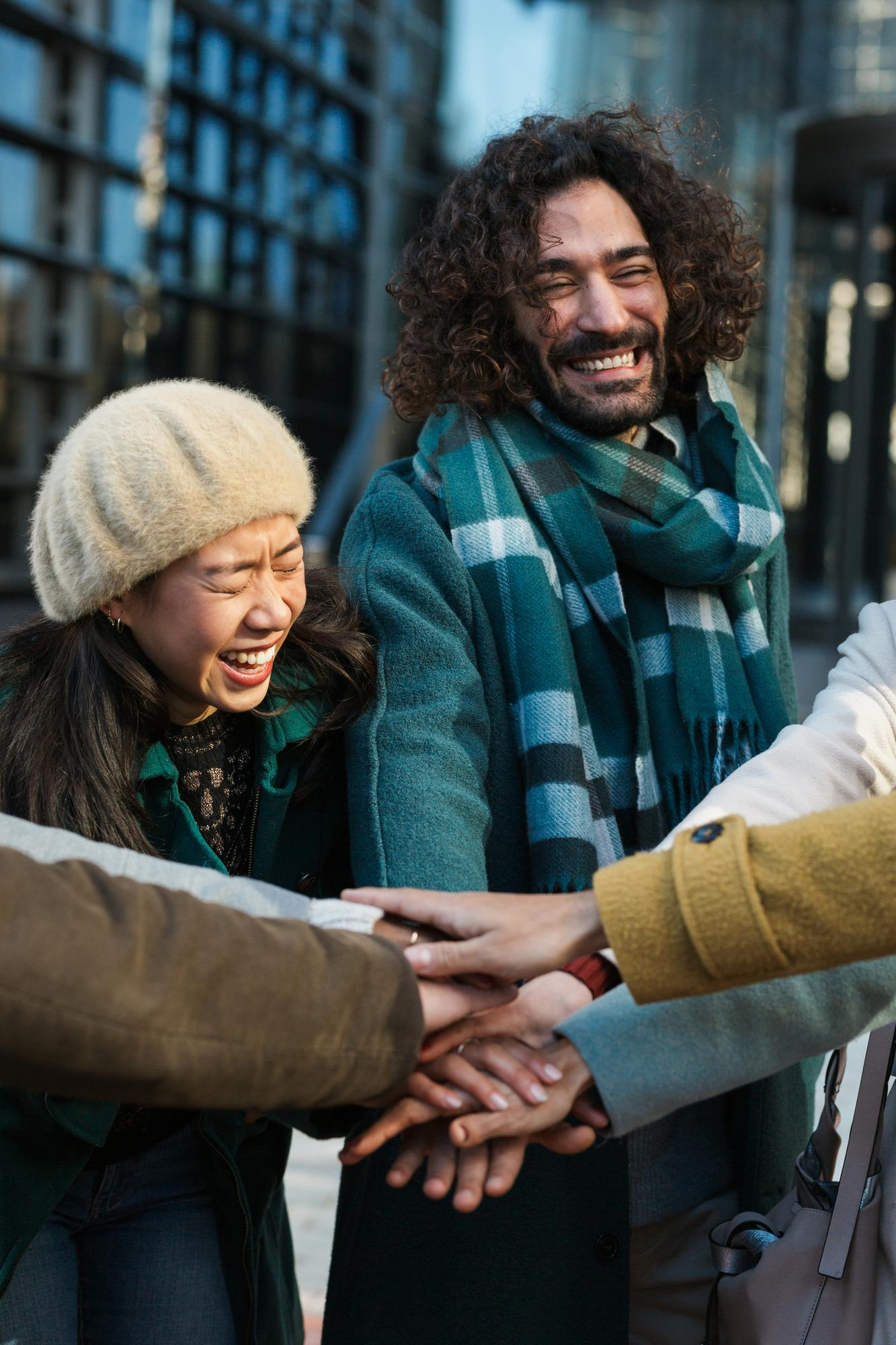
Community doesn't happen only in formal meetings. Group activities and recreation programming give patients a chance to connect with each other in a lower-pressure setting, which matters because isolation and shame are often part of what kept someone stuck in active addiction in the first place.
Sylvia Foldes-Berman, our Creative Director of Recreation and Clinical Training, and Rita Menhennett, our Recreation Coordinator, lead programming designed to give patients healthy ways to interact and rebuild social confidence while they are still in residential care.
These activities matter clinically, not just socially. Group therapy and structured recreation go beyond keeping patients occupied. Someone who has spent years avoiding people because of shame or secrecy needs practice reconnecting in a safe environment before they are expected to do it out in the world.
Group programming inside treatment becomes a low-risk place to relearn how to be around people without substance use as the center of the interaction.
Why Local Support Matters More Than People Expect
Brooklyn has an active recovery community across its neighborhoods, from Coney Island and Brighton Beach to Bay Ridge and Flatbush, and that local density is genuinely useful.
A person leaving our facility does not have to search blindly for a meeting in an unfamiliar city. They can connect with groups in the same borough, sometimes the same neighborhood, where they will actually live day to day.
This local connection also supports our discharge planning, which we start on day one rather than assemble at the last minute. Part of building a realistic aftercare plan is identifying which support structures a patient can actually access once they leave, not just recommending resources in general.
A plan that accounts for a person's real neighborhood and real schedule is far more likely to be followed than a generic list handed over at discharge.
What Ongoing Support Looks Like After Discharge
Discharge does not mean the end of support. Our discharge planning can include:
- Continued medication-assisted treatment
- Counseling referrals
- Relapse prevention strategies
- Ongoing 12-step connections
- Recovery coaching
The goal is continuity. Someone who built relationships and habits during treatment should not have to start from zero the day they leave. Community support networks, both the formal ones like AA and NA and the informal ones built through group programming during treatment, are what carry a person through the period right after discharge when the risk of relapse is often highest.
Common Questions About Community Support in Recovery
Do I have to attend 12-step meetings to stay in the program?
AA and NA integration is part of our residential treatment approach, and patients are introduced to these groups as part of a broader relapse prevention plan that also includes individual counseling, life skills training, and recovery coaching.
What happens if I do not know anyone else in recovery once I leave treatment?
This is exactly why we build 12-step attendance into residential treatment rather than waiting until discharge. Patients start attending meetings and connecting with recovery communities while still in our program, so they already have familiar groups and routines by the time they leave.
Does community support replace ongoing counseling after discharge?
No. Community support works alongside counseling referrals and, where appropriate, continued medication-assisted treatment as part of a full discharge plan. Our team builds that plan starting on day one of treatment so you don’t have to figure anything out at the last minute.
Contact Us
At Surfpoint Recovery, we're here to support you on your journey to recovery. Whether you're ready to begin the admission process or have questions about our services, our team is available to assist you.
Phone Number: (646) 347-1893
Email for Paperwork: paperwork@recoverywithheart.com
Facility Address: 2316 Surf Ave, Entrance on West 24th Street, Brooklyn, NY 11224
Operating Hours: Monday to Sunday - Open 24 hours
Online Contact Form: Prefer to reach out online? Please fill out our contact form, and a member of our team will get back to you promptly.
Related Topics: