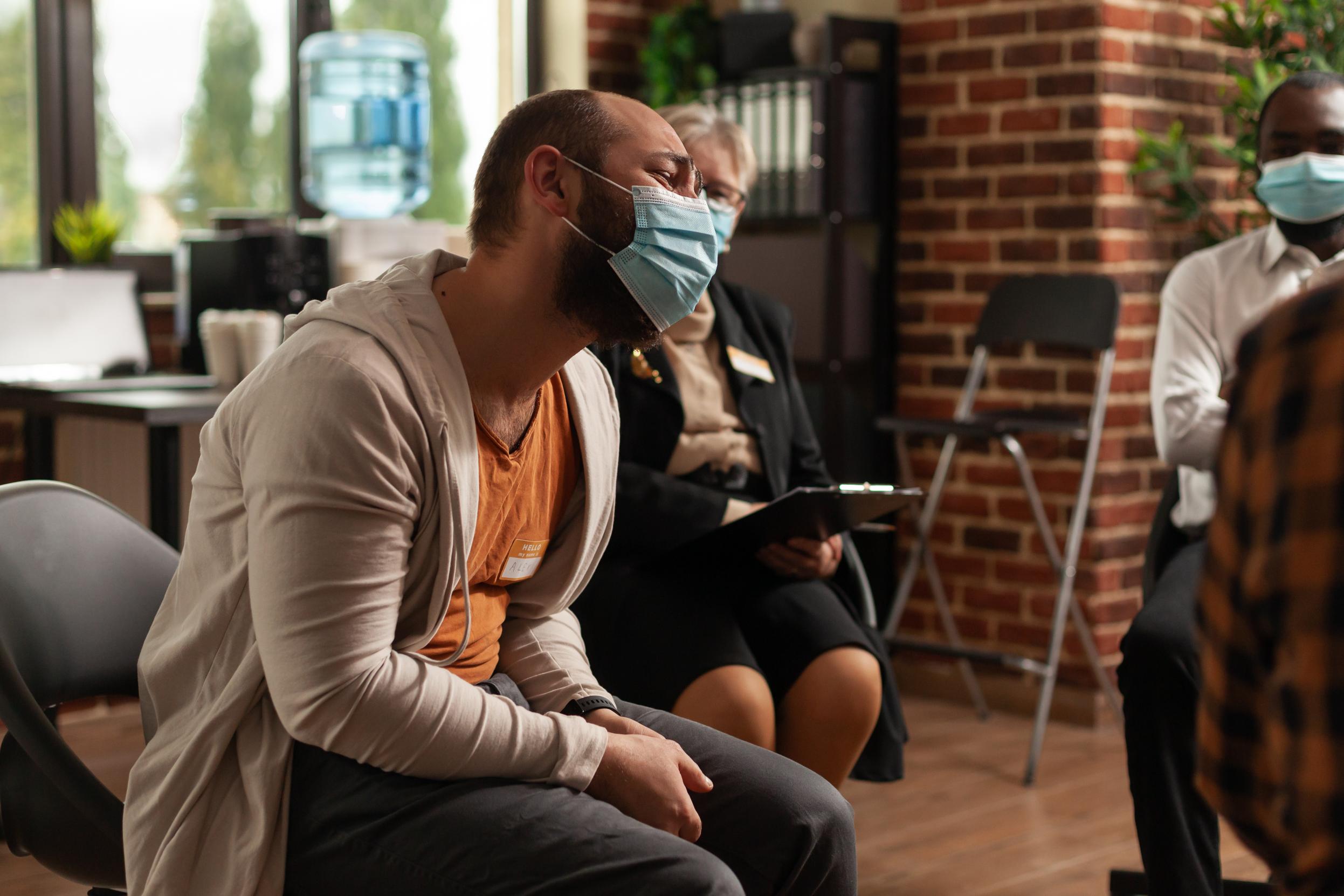
The treatment setting can shape how recovery begins and whether a person can stay engaged in the work. In a guided rehabilitation program, the environment is not separate from treatment. It affects sleep, stress, routine, emotional stability, and the ability to focus from one day to the next. That is why safe surroundings and a steady daily structure matter so much in early recovery.
Why Structure Is a Clinical Tool
Addiction often pulls daily life out of order. Sleep becomes irregular, meals get skipped, stress stays high, and the day starts revolving around getting through cravings or finding the next substance. Over time, that kind of disorder does more than make life difficult. It wears down judgment, weakens impulse control, and makes it harder to respond clearly to anything.
A structured inpatient setting helps interrupt that pattern. Regular meals, a steady sleep schedule, therapy sessions, and sober routines give the mind and body something different to settle into. That consistency can help a person feel less overwhelmed and more able to take part in treatment. Structure is not there to make life rigid. It is there to create enough stability for recovery work to begin.
What a Structured Day Looks Like in Our Program
In our 28-day inpatient program, the day follows a clear rhythm. Patients move through counseling, educational sessions, recovery-focused groups, and time for rest in a way that keeps the day grounded. They know when meals happen, when therapy starts, and what the general flow will look like. That predictability can be calming for people who have been living in crisis for a long time.
The program includes individual counseling, group therapy, relapse prevention education, Cognitive Behavioral Therapy, Motivational Interviewing, 12-step meetings, and life skills work. There is also time built in for movement, meals, and personal space. That balance matters because treatment works better when patients are engaged without feeling overloaded. A steady schedule can help people rebuild a sense of routine that has often been missing for a long time.
The Physical Environment
The physical setting also affects how treatment feels. Our facility is located at 2316 Surf Avenue in Brooklyn, near the Coney Island shoreline. The building includes outdoor garden walkways, natural light, and access to a calmer waterfront setting. Patients also receive three nutritious meals each day and laundry services during their stay.
These details are not only about comfort. A light-filled setting with room to breathe can help lower tension in a period that is already emotionally demanding. Early recovery can feel raw, and people often respond better to an environment that feels steady rather than harsh or closed in. The physical setting can support recovery in quiet yet meaningful ways.
Safety and Medical Oversight
A safe recovery environment also means medical and clinical safety. People entering treatment may be dealing with withdrawal, emotional instability, mental health concerns, or fear about what comes next. Inpatient care works better when patients know that trained staff are available to respond if something changes. That kind of support can make it easier to settle into treatment.
Our team provides 24/7 nursing and clinical oversight across all programs. A psychiatric evaluation is completed within the first 24 hours of admission, and patients are monitored closely during the early phase of withdrawal and adjustment. We are CARF-certified and OASAS-licensed, which means the program meets independently reviewed standards for safety and quality. Those are public credentials, not claims made without outside review.
Peer Community as Part of the Environment
The people around a patient are also part of the treatment setting. Group sessions, shared meals, and day-to-day contact with others in recovery can help break the isolation that often grows during active addiction. Many patients come in feeling cut off, ashamed, or unable to trust other people. A sober peer community can begin to change that.
Being around others who understand the same fears, setbacks, and hopes can have real value. It gives patients a chance to feel less alone and to practice connection without substances in the middle of it. Twelve-step meetings also introduce people to a broader recovery community that can continue after discharge. That sense of connection often becomes one of the strongest parts of inpatient treatment.
What to Look for When Evaluating a Facility
When someone is comparing inpatient options in Brooklyn, the environment is worth asking about directly. A facility should be able to explain what the day looks like, how patients are supported, which staff are on-site, and how the setting aligns with the treatment model. Those details tell you a lot about whether the program is built with recovery in mind. They also show whether the facility sees structure and safety as part of the clinical work.
It also helps to ask how detox and rehab connect, what kind of oversight is available around the clock, and whether the facility’s accreditations can be verified. These are practical questions, not small ones. The answers help show whether a center has built a real treatment environment or simply a place for people to stay. To ask us these questions directly, call (347) 727-4800. Our admissions team is available 24 hours a day, 7 days a week, and free insurance verification is available before you make any decision.
Related Topics: