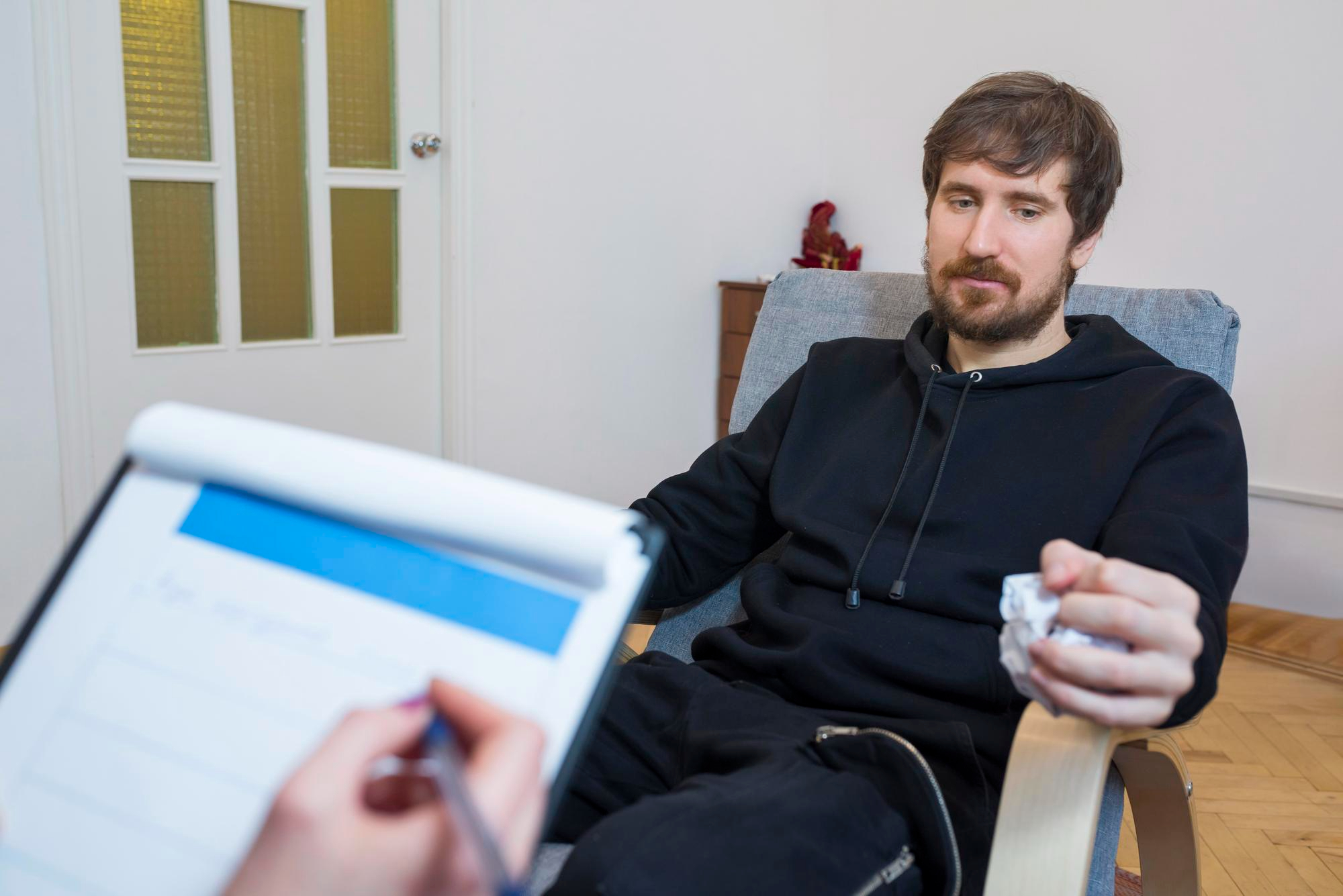
One of the most common questions we hear from patients and families is how anyone actually knows whether treatment is working. It's a fair thing to wonder, especially when so much of recovery happens behind closed doors during inpatient care, and families are often left waiting for updates rather than seeing the process firsthand.
At Surfpoint Recovery, our skilled rehab team doesn't guess at progress. It's tracked through medical evaluation, clinical observation, and regular adjustments to the treatment plan, starting the moment someone is admitted, so that every step forward and every setback is actually accounted for rather than assumed.
Why Progress Monitoring Matters in Inpatient Care
Addiction treatment isn't a straight line, and honestly, it rarely goes the same way twice. Some patients respond quickly to detox and settle into rehab without much difficulty.
Others need more time, a different medication approach, or additional support for a co-occurring mental health condition. Without consistent monitoring, it's all too easy to miss when a treatment plan needs to change, and that gap can cost someone weeks of progress they didn't need to lose.
That's why our medical and clinical staff check in with each patient regularly rather than setting a plan on day one and leaving it untouched. Monitoring lets us catch problems early, whether that's a medical complication during detox or a patient struggling emotionally in group counseling, and it's basically how our team tracks recovery progress instead of guessing along the way.
It also means the treatment plan a patient finishes with often looks different from the one they started with, because it's been shaped by what actually happened along the way.
How Monitoring Starts From Day One
The first checkpoint happens during intake, when our medical team reviews a patient's substance use history, physical health, and mental health, coordinating care through dual diagnosis treatment when needed.
For anyone entering rehab, a psychiatric evaluation takes place within 24 hours of admission. This early evaluation gives our clinical team a baseline to measure everything against as treatment moves forward, and it often surfaces things a patient hasn't mentioned on their own, whether that's a past diagnosis or a pattern of substance use they've minimized.
During detox, nursing staff is on site 24/7 to track withdrawal symptoms and adjust medical support as needed. Detox timelines just vary from person to person, and our medical team makes those calls based on what they're actually observing, not some fixed calendar.
Two patients coming in for the same substance can have very different experiences during withdrawal, which is exactly why constant observation matters more than a standard protocol applied the same way to everyone.

Tracking Progress Through Residential Rehab
Once a patient moves into residential rehab, progress tracking shifts toward therapy engagement, coping skills, and how someone is responding to treatments like cognitive behavioral therapy, motivational interviewing, and trauma-informed care.
It's not just a box-checking exercise, either. Individual and group counseling sessions give our clinical team ongoing insight into how a patient is processing treatment, not just whether they're attending sessions on the schedule.
For patients receiving medication-assisted treatment with Suboxone, Buprenorphine, or Vivitrol, medical staff monitor how the medication is working and adjust the approach based on clinical evaluation rather than a fixed formula.
That kind of close, ongoing attention from medical doctors in Brooklyn rehab treatment is really what makes those adjustments possible in the first place. The same applies to patients in dual diagnosis treatment, where mental health symptoms are tracked alongside substance use progress, since the two often move together rather than on separate timelines.
Not sure if now's the right time to reach out, or if a loved one even needs this level of care? Give us a call at (646) 347-1893, and our team can walk you through what treatment might actually look like for your situation.
Discharge Planning as an Ongoing Measure of Progress
Discharge planning begins on day one, and it becomes another way we track whether a patient is ready to move toward the next phase of care. It's kind of an ongoing conversation, not something we just decide once and forget about.
As someone progresses through residential rehab, that plan gets more specific, covering relapse prevention strategies, continued medication-assisted treatment where appropriate, counseling referrals, and 12-step connections through AA and NA.
If a patient isn't progressing as expected, that shows up quickly in how the discharge plan develops. Our team adjusts the pace or the approach rather than pushing someone toward a departure date that doesn't match where they actually are. This is one of the more concrete ways progress monitoring shapes real decisions, not just paperwork.
What Families Can Expect to Hear
Families often want updates on how their loved one is doing, and we try to be direct about what progress looks like at each stage. That might mean explaining that someone is still working through early detox symptoms or that they've moved into a phase of rehab focused on relapse prevention and life skills.
Named clinicians, including Program Director Vincent Marchese, are part of how that information gets communicated clearly rather than through vague updates that leave families more anxious than informed.
We work with patients and families across Coney Island, Sheepshead Bay, Bay Ridge, and other Brooklyn neighborhoods, and every case looks a little different depending on the substance involved and the person's history.
It just makes sense to treat each situation on its own terms instead of following one script for everybody. You can view all areas we serve to check whether your neighborhood is part of our service area.
Frequently Asked Questions
How do rehab centers know if treatment is working?
Progress is tracked through medical evaluation, clinical observation, and how a patient responds to therapy and, where applicable, medication-assisted treatment. At Surfpoint Recovery, this starts with a psychiatric evaluation within 24 hours of rehab admission and continues through regular check-ins from our clinical team.
Does progress monitoring change how long someone stays in rehab?
It can. Residential rehab at Surfpoint averages 21 to 28 days, but the exact length depends on how a patient is progressing. Our medical team adjusts the plan based on what they observe rather than holding to a fixed number of days regardless of how someone is doing.
Will my family be updated on progress during treatment?
Yes, within the bounds of HIPAA confidentiality and whatever the patient authorizes. Our team can share general updates on how someone is progressing through detox and rehab while keeping the patient's privacy at the center of what gets shared.
Get in Touch
Have questions about how progress gets tracked, or want to talk through treatment options for yourself or a loved one? Contact us, and we'll help you figure out the right next step.
- Phone: (347) 727-4800
- Email: admissions@surfpointrecovery.com
- Hours: Monday through Sunday, open 24 hours
Related Topics: