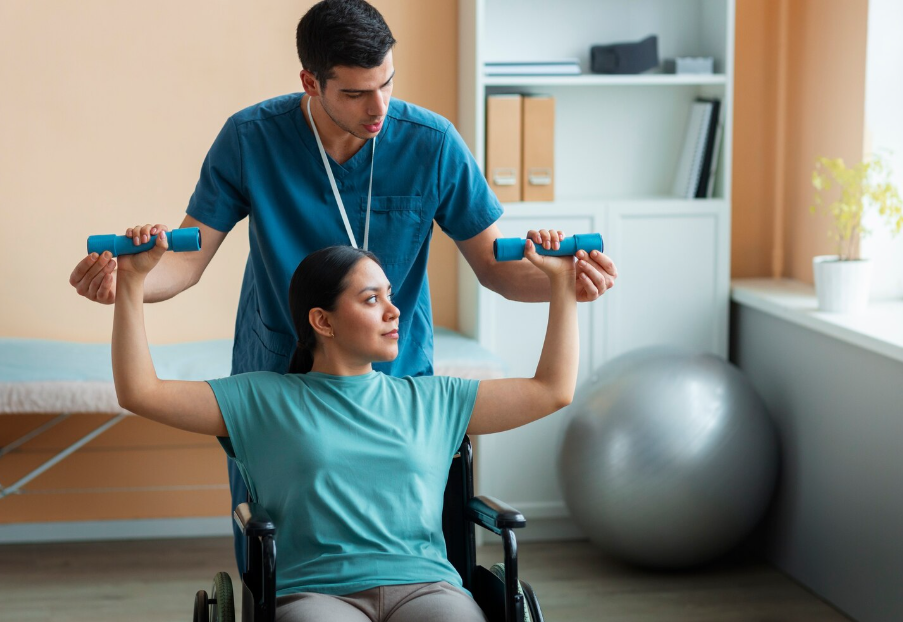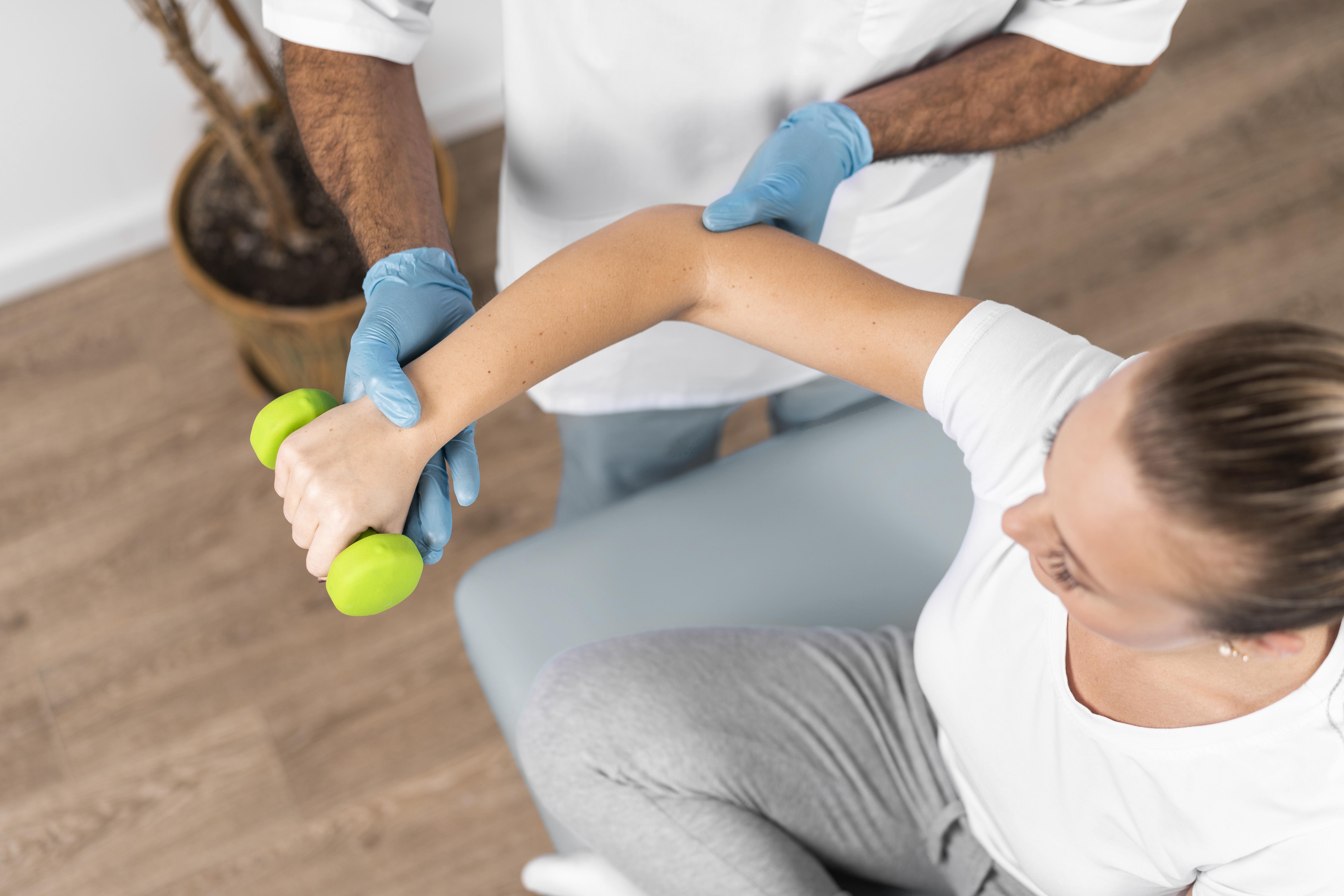
In an inpatient setting, physical therapy is usually scheduled for 1 to 3 hours per day, though the exact duration can vary from patient to patient. Therapy plans are shaped by the person’s condition, current mobility, and medical needs, which helps keep progress steady and manageable. Factors like age, general health, and daily involvement can also affect how long therapy continues as part of routine care. Maintaining a routine helps improve coordination, flexibility, and strength. Ongoing discussions with the care team help keep treatment on track, including services from a licensed rehab center in Brooklyn. As recovery moves forward, therapy may be adjusted to support a smooth transition to outpatient care and continued improvement.
Average Duration of Inpatient Rehab PT
Typically, physical therapy sessions in inpatient rehab last between one and three hours a day. During these sessions, your treatment is designed to make every minute count, focusing on moving you closer to your recovery goals. The length and intensity of the sessions are customized based on your condition, how you respond to therapy, and your overall rehab plan. Our aim is to maximize each moment in therapy so you can regain strength, mobility, and independence at a pace that’s right for you. This tailored approach provides the most effective rehab experience, ensuring your recovery stays on track.
Factors Influencing Rehab Length
Several factors play a role in determining the length of your inpatient rehab. Understanding these can help you better navigate the process:
- Severity of Condition: More severe injuries or conditions often require longer therapy periods to reach recovery goals.
- Individual Progress: Everyone responds differently to rehab. Your age, health, and motivation can all influence how quickly you progress through therapy.
- Adherence to Treatment: Sticking to your rehab plan is essential. Regular attendance, active participation, and completing at-home exercises are all factors that can shorten your rehab period.
These elements help shape your rehab journey, ensuring your path is as efficient as possible.
Importance of Consistency in Recovery
Consistency is crucial for maximizing the results of inpatient physical therapy. It’s not just about showing up, it’s about maintaining a steady routine and staying engaged in every session. Consistent participation builds muscle memory, increases range of motion, and strengthens injured areas. It also establishes a routine, which is vital for long-term success. By committing to consistency, you can accelerate your recovery, avoid setbacks, and see quicker, more lasting results. In the long run, staying disciplined and consistent helps you regain your independence faster.
Setting Realistic Recovery Expectations
Setting achievable goals for your recovery can keep you on track. Here are a few tips to ensure your expectations align with the recovery process:
- Start with an Assessment: Begin with a thorough evaluation to understand your current condition and where to focus your efforts.
- Work with Your Healthcare Team: Create a customized plan that aligns with your specific recovery needs.
- Track Your Progress: Celebrate small victories, stay flexible with your goals, and keep an eye on your evolving progress.
By understanding the process and working closely with your team, you’ll stay motivated and clear about your recovery timeline.
Tailoring Rehab Length to Individual Needs
As your rehabilitation progresses, the length of your sessions can be adjusted to suit your unique needs. Everyone responds to therapy in their own way, and we customize your session lengths based on factors like injury type, health status, and how well you’re progressing. This tailored approach ensures you receive the right amount of care for your specific circumstances, improving outcomes. The goal is to make therapy as effective as possible while providing a supportive environment to help you achieve your recovery goals.
Gradual Transition to Outpatient PT
When it’s time to shift from inpatient rehab, we make the transition to outpatient physical therapy smooth and gradual. Here’s how we ensure that your recovery journey continues without interruption:
- Customized Plans: We create treatment plans tailored to your progress and personal goals, ensuring continuity as you move from inpatient to outpatient care.
- Progressive Exercises: Your exercises evolve to challenge your strength, mobility, and flexibility, helping you continue to build on your inpatient progress.
- Support & Education: We equip you with the tools and knowledge to manage pain, perform home exercises, and adjust to lifestyle changes, giving you full control of your recovery.
This transition is a critical phase in rehabilitation, and we focus on providing ongoing support, maintaining high standards of care, and helping you maximize your recovery.
Contact Us
At Surfpoint Recovery, we're here to support you on your journey to recovery. Whether you're ready to begin the admission process or have questions about our services, our team is available to assist you.
Phone Number: (646) 347-1893
Email for Paperwork: paperwork@recoverywithheart.com
Facility Address: 2316 Surf Avenue, Brooklyn, NY 11224
Operating Hours: Monday to Sunday - Open 24 hours
Online Contact Form:
Prefer to reach out online? Please fill out our contact form, and a member of our team will get back to you promptly.
Related Topics:
- Everything You Should Know About Inpatient Rehab Physical Therapy
- What Is an Inpatient Rehabilitation Facility: A Complete Guide