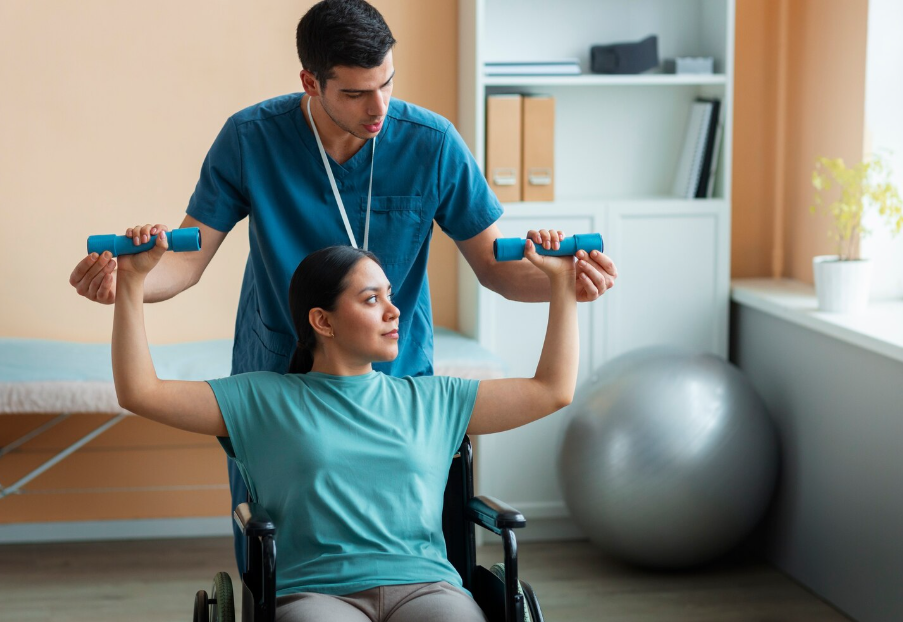
An inpatient rehabilitation facility is a place where people stay to receive ongoing medical care and therapy during recovery. Being on site allows patients to follow a daily treatment schedule while receiving regular clinical oversight. Choosing an experienced rehabilitation center can influence how smoothly recovery unfolds, especially for those managing more complex health concerns. This guide breaks down what inpatient rehabilitation facilities do, the types of conditions they treat, the therapies they provide, how long care may last, and what to look for when choosing a facility.
Definition of Inpatient Rehabilitation Facility
An inpatient rehabilitation facility provides a short-term living environment where medical care and therapy take place at the same location. Treatment is organized around the individual, taking into account their medical condition, physical limits, and recovery objectives. A coordinated group of doctors, therapists, and nursing staff oversees care and responds as needs change. Because patients remain on site, progress can be reviewed daily and therapy adjusted without delay. The focus is on restoring everyday abilities and supporting a safe transition out of care.
Types of Conditions Treated
Inpatient rehabilitation facilities support people recovering from many different medical situations. Care is often provided to those healing from events such as strokes, serious injuries, or conditions that affect movement or nerve function. Many patients are admitted after a hospital stay or surgical procedure and need continued therapy before they can safely return home. Treatment is adjusted to match the specific challenges each person faces, helping address physical limitations while maintaining overall stability. This personalized care helps patients make steady progress toward practical recovery goals.
Services and Therapies Offered
An inpatient rehabilitation facility delivers care tailored to each patient rather than a fixed routine. Physical therapy addresses mobility, balance, and muscle control, while occupational therapy focuses on practical skills needed for daily life, including personal care. When speech or swallowing issues are present, speech therapy is included in treatment. Support for emotional adjustment may also be provided during recovery. Therapy sessions are scheduled consistently and adjusted as patients improve, ensuring care remains aligned with their current condition.
Benefits of Inpatient Rehabilitation
Inpatient rehabilitation offers the advantage of consistent care within a structured medical environment. Patients receive daily therapy while remaining under clinical supervision, which allows issues to be addressed quickly. Working with a coordinated care team helps reduce treatment gaps and supports steady improvement. Being in one setting also allows patients to focus entirely on recovery without outside distractions. Emotional support from staff and caregivers contributes to confidence and motivation during the rehabilitation process.
Length of Stay and Admission Process
How long a patient remains in an inpatient rehabilitation facility is influenced by their diagnosis, how they respond to therapy, and ongoing medical requirements. At the time of admission, staff complete a detailed review to identify therapy needs and set recovery targets. This review helps determine the course of care and the estimated length of stay. Patients and families receive regular updates as treatment moves forward and changes are made. The admission process is organized to help patients settle into care quickly and begin therapy without interruption.
Choosing the Right Facility
Deciding on an inpatient rehabilitation facility requires careful consideration of daily needs and care standards. Reviewing the types of treatment offered, the care team's experience, and how patients are supported can help guide the choice. Practical details such as location and visiting arrangements may also matter. Meeting with providers or seeing the facility in person can give a better sense of the environment and daily care. A place that feels dependable and comfortable can ease the start of rehabilitation.
Related Topics: